China Bamboo Flooring
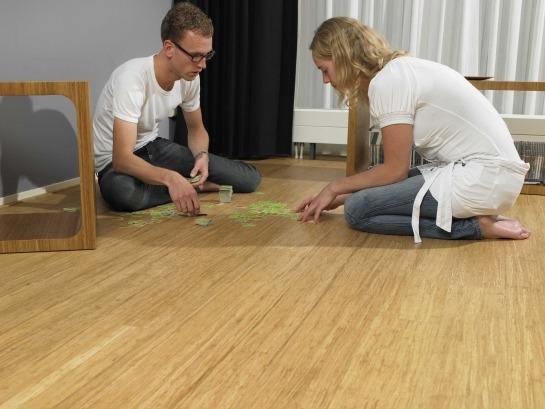
Solid strand woven bamboo flooring has grown into one of the most reliable and marketable products in the hard‑surface flooring category. Its combination of strength, consistency, and visual appeal allows importers and dealers to offer something that fits a wide range of consumer needs without sacrificing quality or supply stability. As competition increases across flooring sectors, the ability to carry a product that performs well, installs predictably, and meets rising environmental expectations is a strategic advantage.
Understanding the strengths of solid strand woven bamboo helps importers and dealers position it confidently, respond to customer expectations, and build long‑term partnerships with manufacturers. This material has evolved through careful engineering and improved production techniques, making it a dependable option for both residential and commercial spaces.
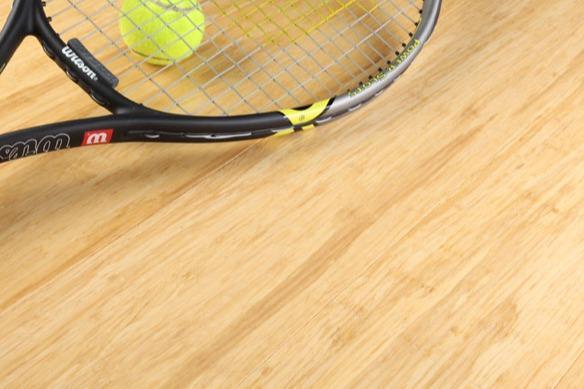
Bamboo flooring has moved from a niche option to a trusted choice for homeowners who want a surface that’s durable, sustainable, and visually consistent. One reason this material performs so well is the engineering that supports it. Modern bamboo planks aren’t just milled and finished; they’re designed as a full system, with every component contributing to long‑term stability. Among those components, the click‑lock mechanism—especially when enhanced with wax sealing—plays an essential role in defending the floor against moisture.
Moisture is one of the most persistent threats to any wood‑based flooring. Bamboo, though botanically a grass and known for its density, still reacts to humidity fluctuations and direct water exposure. Manufacturers have explored various ways to limit moisture intrusion, but wax‑sealed click locks continue to stand out for their ability to create a tight, reliable barrier along plank edges. Understanding how this feature works, and how it benefits the entire floor, helps explain why many premium bamboo floors rely on it.